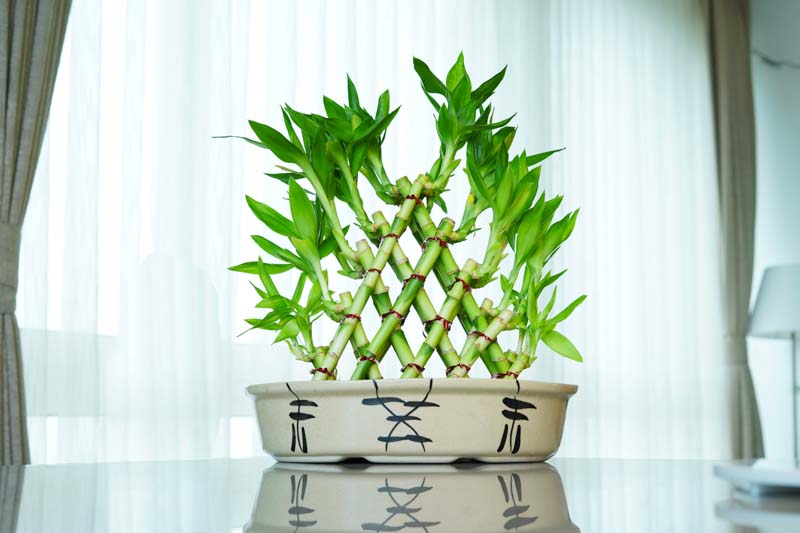

Bringing the tranquility of nature indoors, many people are intrigued by the idea of incorporating greenery into their sleeping quarters. The question that frequently arises is: Is it safe to have plants in your bedroom? While some might express concern, an increasing body of research suggests that not only is it safe, but there are also several benefits to sharing your resting space with plants.
As we seek to create serene and refreshing environments in our homes, it’s important to consider how our choices impact our well-being. In this article, we’ll explore the advantages and potential drawbacks of having plants in the bedroom, identify which plants may be most beneficial, and address common concerns related to indoor air quality and sleep.
What are the benefits of having plants in the bedroom?
There’s more to bedroom plants than mere aesthetics. They are known to enhance indoor air quality by releasing oxygen and absorbing toxins. Plants can also help regulate humidity and create a calming, stress-reducing atmosphere. Let’s delve into several key benefits:
- Plants can improve air quality by filtering harmful chemicals and releasing oxygen.
- The presence of greenery may contribute to reduced stress levels and promote relaxation.
- Some species, like the snake plant and aloe vera, are noted for their ability to produce oxygen at night.
- By regulating humidity, plants can create a more comfortable sleeping environment.
Plants like lavender and jasmine have been shown to induce a sense of tranquility, potentially leading to better sleep quality.
What are the risks of keeping plants in your bedroom?
While the benefits are plentiful, it’s equally important to consider potential risks. Concerns range from the production of carbon dioxide to the development of mold. Here’s what to watch out for:

The fear of carbon dioxide poisoning from plants is generally unfounded, as plants typically produce a minimal amount compared to humans.
Overwatering can lead to excess humidity, which might encourage mold growth or attract pests.
Choosing the wrong plants might introduce allergens or be toxic if ingested, particularly for pets.
Proper care, including adequate light, water, and maintenance, can mitigate most risks associated with bedroom plants.
Which plants are best for the bedroom?
Selecting the right plants for your bedroom can enhance the environment without posing health risks. Some of the best plants for bedroom oxygen include:

- Peace Lily: Known for its air-purifying abilities, it can thrive in low light.
- Snake Plant: Durable and efficient at producing oxygen at night.
- Aloe Vera: Easy to care for and helpful in removing airborne toxins.
It’s also worth considering if you should have plants in your bedroom feng shui-style, as they can contribute to a positive flow of energy.
Are there plants that should not be in the bedroom?
Just as there are beneficial plants, there are those that might not be ideal for the bedroom. Plants with strong scents could disrupt sleep, while others may require more sunlight than the bedroom provides. Be cautious with plants that are toxic to pets or could cause allergic reactions.
How do plants affect air quality in the bedroom?
One of the primary ways plants can improve a bedroom environment is through their impact on air quality. They absorb carbon dioxide and other volatile organic compounds, making the air fresher and cleaner. Plants like the peace lily and snake plant are particularly adept at this.
However, it’s worth noting that while plants do release carbon dioxide at night, the amount is negligible compared to the benefits they provide in air purification.
Can plants improve sleep quality in the bedroom?
Many anecdotal reports suggest that having plants in your bedroom can lead to better sleep. This is supported by studies on how the presence of plants can lower stress levels, leading to more restful sleep. Specific plants, such as lavender, are renowned for their calming effects which may improve sleep quality.

Related Questions About Bedroom Plants
Are plants recommended in bedrooms?
Plants can be highly beneficial in bedrooms, contributing to improved air quality, aesthetic appeal, and psychological well-being. They can also add a sense of tranquility and possibly improve sleep quality.
However, it’s important to choose the right plants and maintain them appropriately to avoid potential risks, such as mold or excess humidity.
What plants are safe to have in a bedroom?
Safe bedroom plants are those that are non-toxic and easy to maintain. Ideal options include the peace lily, snake plant, and aloe vera, all of which are recognized for their air-purifying qualities.
Ensure that any plant chosen is suitable for the light conditions of the bedroom and is safe for all occupants, including pets.
What is the disadvantage of plants in the bedroom?
The disadvantages are primarily related to maintenance and care. Overwatering can lead to humidity issues, while under-watering can stress the plant. Both scenarios can lead to a less healthy bedroom environment.

Additionally, plants may attract pests or contribute to mold growth if not cared for correctly.
Is it good or bad to have plants in the bedroom?
Generally, it is good to have plants in the bedroom, as long as they are well-maintained and suited to the environment. They can purify the air, improve aesthetics, and contribute to overall well-being.
It’s essential, however, to weigh the benefits against any potential risks and to manage plants effectively to ensure they remain an asset to your bedroom.
As we’ve explored the various facets of having plants in the bedroom, let’s take a brief interlude to watch a video that delves into the topic further:

In conclusion, while having plants in your bedroom can indeed bring about a myriad of benefits, it’s crucial to make informed choices. Select plants that not only contribute to the air quality and ambiance but also pose no risk to you or your loved ones. With the correct selection and maintenance, bedroom plants can significantly enhance your living space and well-being.