

Blue orchids captivate with their striking hues and exotic mystique. While they often create an aura of enchantment, it’s essential to discern between their real and fabricated beauty.
These blue blooms are shrouded in mystery and allure, raising questions about their authenticity and care. Here’s what you need to know about blue orchids, their origin, and what they represent.
Are blue orchids real? Here’s the truth about blue orchids
When it comes to blue orchids, the question of their authenticity often arises. True blue orchids, such as the Blue Vanda and Thelymitra crinita, do exist but are exceedingly rare and often inhabit specific, remote regions. These natural rarities are prized for their unique color, which occurs due to genetic pigmentation. On the other hand, the blue orchids commonly found in floral shops are usually dyed Phalaenopsis or Dendrobiums, providing a temporary splash of color through artificial means.
Distinguishing between real and dyed blue orchids can be tricky. The dyed varieties may display a uniform color that seems too perfect, with an injection site often visible. Genuine blue orchids, like the coveted Vanda coerulea, exhibit a more subtle gradient of color.
The allure of blue orchids is undeniable, whether natural or enhanced. However, understanding the true nature of these flowers is crucial for collectors and enthusiasts who seek authenticity in their horticultural pursuits.
It’s important to recognize that while dyed blue orchids are widely available, their beauty is fleeting. As the blooms fall, the original white color will return, marking the end of their blue charm.
How are blue orchids made?
The method behind the mesmerizing blue hue of most commercially available orchids is quite intriguing. A food-grade dye is injected into the stem of white orchids, which then travels to the petals. This process must be done with care to avoid damaging the plant. The resulting blue color is temporary, lasting only until the flowers naturally drop.
This dyeing technique does not alter the orchid’s genetic makeup; therefore, the next blooms will revert to their original color. It’s a testament to the lengths florists and enthusiasts will go to achieve this stunning effect.
For those seeking a more permanent blue statement in their flora collection, locating a genuine blue orchid, though challenging, remains the ultimate goal. These natural wonders do not require any artificial intervention to showcase their captivating blue petals.
Are there real blue orchids?
Yes, real blue orchids exist, but they are the unicorns of the orchid world. Among the known species, the Vanda coerulea and Thelymitra crinita stand out as true blue beauties. These species are native to Asia, Australia, and South America, thriving in specific climates that contribute to their rare pigmentation.
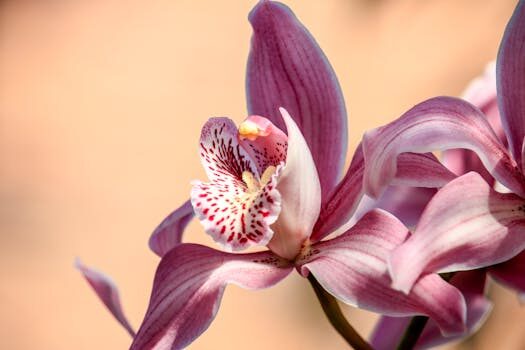
The scarcity and high demand for these natural blue wonders make them a treasure trove for serious collectors. Their rarity is reflected in their price, and they are often only accessible through specialized nurseries or botanical gardens.
While the quest for a true blue orchid may be daunting, the reward of nurturing such a rare specimen is unparalleled in the world of orchid cultivation.
Where can I find blue orchids?
Finding blue orchids can be an adventure in itself. For those looking to add a splash of blue to their collection, local flower shops and online retailers often offer dyed blue orchids. These are usually more accessible and affordable, but remember, their color is not permanent.
If you’re on the hunt for genuine blue orchids, reaching out to niche nurseries or international orchid shows could be your best bet. These venues often feature rare plants from around the world, including naturally blue orchids.
Remember to verify the authenticity of the blue orchids before making a purchase, as the market is flooded with artificially colored varieties.
What do blue orchids mean?
The symbolism of blue orchids is as enchanting as their appearance. Often associated with rarity and beauty, blue orchids represent tranquility, opulence, and the pursuit of perfection. In the language of flowers, giving a blue orchid can convey a deep sense of admiration and mystical allure.
In different cultures, blue orchids are also believed to symbolize spiritual focus, meditation, and peace. Their rarity makes them a unique and thoughtful gift for special occasions.
Whether dyed or natural, blue orchids carry a charm that transcends their aesthetic value, making them a profound symbol in the world of flora.
Are blue orchids poisonous?
The concern for safety when it comes to dyed blue orchids is understandable. Fortunately, the dyes used are typically non-toxic and food safe. However, it is always advisable to keep any treated plant out of reach of pets and children, as individual sensitivities can vary.
For those who prefer to steer clear of any potential risks, seeking out natural blue orchids eliminates the concern altogether. These orchids, free from any artificial intervention, pose no more risk than any other orchid species.
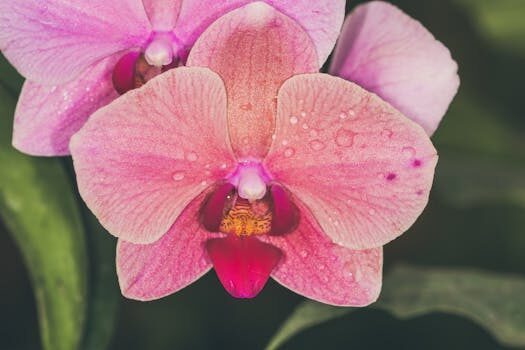
When in doubt, consult with the florist or nursery for specific information on the safety of the dye used in their blue orchids.
Caring for blue orchids
Caring for blue orchids, especially the dyed ones, requires a gentle touch. Avoiding excess water and direct sunlight is key as these can cause the dye to run or fade prematurely. The following are general care tips for maintaining the vibrancy of blue orchids:
- Keep the orchid in a well-lit area, but out of direct sunlight.
- Water sparingly, allowing the potting medium to dry out between waterings.
- Maintain a consistent temperature, avoiding drafts and extreme changes.
- Use a weak orchid fertilizer every few weeks to promote health and vigor.
- Repotting should be done every couple of years or when the potting medium breaks down.
For natural blue orchids, the care instructions may differ slightly, based on their specific species requirements. Researching the particular needs of your blue orchid will ensure that it thrives and possibly reblooms in its signature color.
Preventing problems with blue orchids
Prevention is better than cure, especially when it comes to orchids. Monitoring for pests and diseases is crucial in keeping your blue orchid healthy. Ensure good air circulation around the plant and inspect regularly for signs of trouble. A preventative spray with a fungicide or insecticide can be beneficial, but always follow the product instructions closely.
Overwatering is a common issue with orchids, leading to root rot. Be mindful of your watering habits, and always check the moisture level in the potting medium before adding water.
Lastly, keeping your blue orchid away from ripening fruits can help prevent problems. Ethylene gas, which is emitted by ripening fruit, can cause premature flower dropping in orchids.
Further Insights on Blue Orchids
How long do blue orchids last?
The lifespan of a blue orchid bloom can vary. Artificially colored blue orchids tend to maintain their vibrant color for the duration of the bloom cycle, which can last from a few weeks to several months. Once the flowers drop, the plant will revert to its natural color.
Natural blue orchids have a similar blooming period, but their color remains true through the life of the plant. Proper care can extend the life and frequency of blooms.
What does it mean when someone gives you blue orchids?
Receiving blue orchids as a gift is often considered a gesture of deep admiration and respect. The giver may be acknowledging the recipient’s uniqueness and beauty, as blue orchids symbolize rarity and splendor.
Moreover, blue orchids can also represent spiritual depth and serenity, making them a thoughtful gift for those who appreciate the tranquil and meditative qualities associated with the color blue.

Are blue orchids hard to grow?
Growing blue orchids, particularly the natural varieties, can be a challenge. These species often require specific environmental conditions that mimic their native habitats. However, with the right care and dedication, it is possible to cultivate these unique plants successfully.
Dyed blue orchids, on the other hand, are typically no more challenging to grow than other Phalaenopsis or Dendrobium orchids. The key is to follow proper orchid care guidelines and be mindful of the dye’s potential impact on the plant’s health.
What are the characteristics of blue orchids?
Blue orchids, whether naturally colored or dyed, share the common traits of their respective species. However, naturally blue orchids such as Vanda coerulea, exhibit a distinctive blue hue that is integral to their petals. They also tend to have specific growth requirements and are less common than their artificially colored counterparts.
Dyed blue orchids often show a uniform blue coloration that is striking yet temporary. The injection site may be visible, and the vibrancy of the color can give clues as to whether the orchid has been treated.
To further enhance your knowledge, consider watching this insightful video on blue orchids:
In conclusion, whether you are enchanted by the vibrant hues of artificially colored blue orchids or the rare beauty of natural blue species, understanding their origin, care, and symbolism is essential. With proper knowledge and care, you can enjoy the splendor of these magnificent blooms in your own home or garden.


